Daily van checks for safer business journeys
Why daily checks matter for your van
Running a van for business means you rely on it every day. A breakdown on the way to a job costs time, money and reputation. More importantly, a fault that could have been spotted early might lead to a dangerous situation on the road. A few minutes of inspection each morning can catch small problems before they become big ones, keeping your van reliable and your journeys safer.
What to look at before you drive
Tyres
Tyres are your only contact with the road. Check each tyre for obvious damage like cuts, bulges or embedded objects. Look at the tread depth across the width of the tyre, not just in the middle. The legal minimum in the UK is 1.6 mm, but for safety in wet conditions many drivers replace tyres well before that point. Also check the tyre pressure when the tyres are cold. Under-inflated tyres wear faster and increase fuel use; over-inflated ones reduce grip. A simple pressure gauge takes seconds and can save a tyre from failing on the motorway.
Lights and signals
Walk around the van and turn on the lights. Check headlights, tail lights, brake lights and indicators. A blown bulb is often only noticed when someone else points it out, but by then you could have been driving illegally. If you carry loads that block the rear lights, make sure you have working marker boards or additional lamps fitted. A quick visual check each morning avoids a fine and makes sure other road users can see your intentions.
Fluids
Open the bonnet and check the engine oil level, coolant level and windscreen washer fluid. Low oil can cause engine damage that costs thousands to repair. Low coolant can lead to overheating and a breakdown. Washer fluid might seem minor, but a dirty windscreen in poor light reduces your visibility dramatically. Topping up fluids is a five-minute job that prevents bigger problems later.

Windows, mirrors and wipers
Your ability to see clearly is critical. Clean all windows and mirrors, inside and out. Check that the windscreen wipers are not split or smearing. A wiper that leaves streaks on a rainy day can make driving dangerous. Also check that the washer jets are not blocked and spray where they should. If you carry tools or equipment inside the van, make sure nothing is stacked so high that it blocks your view through the rear-view mirror.
Load security
An unsecured load can shift during a journey, affecting the van’s handling. In a sudden stop, loose items can fly forward and injure the driver. Check that everything is tied down or stored in a rack or cage. If you use straps or nets, look for fraying or damage. A load that falls off the van on a road can cause a serious accident. Taking a few seconds to check security each morning is a legal requirement as well as a safety one.
What about the brakes and steering?
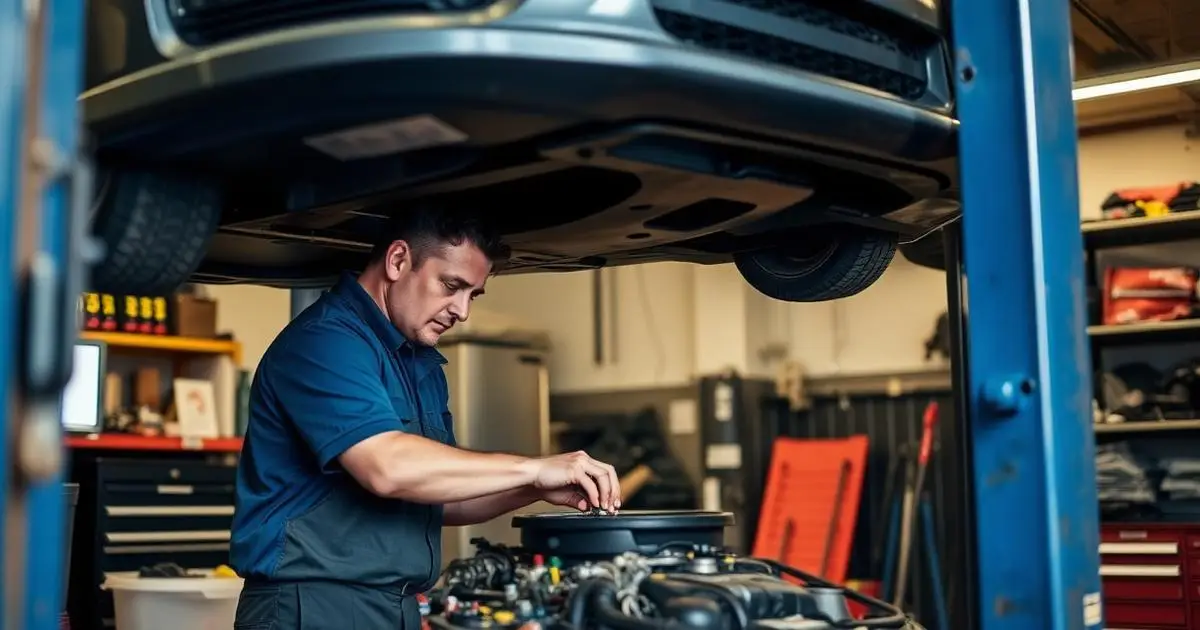
You cannot check brake pads or steering components without lifting the van, but you can do a simple test before you move off. With the engine running and your foot off the brake, press the brake pedal. It should feel firm, not spongy. If it sinks to the floor, there could be a leak or air in the system. As you drive slowly out of your parking spot, turn the steering wheel gently and listen for any clunks or grinding noises. If something sounds wrong, get it checked by a qualified mechanic before you go further. This is where good van maintenance advice comes in: a professional inspection of brakes and steering should be part of your regular servicing schedule, not something you leave until a noise becomes a failure.
Engine and warning lights
When you turn the key, watch the dashboard. All warning lights should come on briefly and then go out. If any stay on after the engine starts, especially the engine management light, the battery light or the oil pressure warning, something needs attention. Modern vans have electronic systems that store fault codes, so a persistent warning light should be read by a technician with the right diagnostic equipment. Ignoring it can lead to a breakdown that could have been prevented. Sources like Pentland Press News regularly cover the importance of heeding these early warnings in their motoring updates.

Fuel and route planning
Check your fuel level before you set off. Running out of fuel on a busy road is dangerous and avoidable. If you have a diesel van, be aware that modern diesel engines can be damaged if they run dry because air gets into the fuel system. Also plan your route so you know where you are going. A driver who is lost or distracted by a phone is more likely to have an accident. A few minutes spent checking fuel and route before starting the engine makes the journey smoother and safer.
Keeping a record
It helps to keep a simple log of your daily checks. You can use a notebook or a printed sheet. Note the date, the van’s registration and any issues you found. If you had to top up oil or report a fault, write that down too. This record is useful for tracking patterns, if you are topping up oil every week, something may be wrong. It also shows that you are fulfilling your duty of care as a driver and employer if you carry passengers or goods for hire and reward. For more detailed guidance on setting up a maintenance routine, you can read articles from Pentland Press News and other sources like pentlandpress.co.uk, which offer practical advice for van drivers and fleet operators alike.
When to call a professional
Daily checks are about spotting problems early, not fixing everything yourself. If you find a tyre that is badly worn or damaged, a brake pedal that feels wrong, a fluid leak that you cannot trace, or any warning light that stays on, the right response is to get the van to a garage. A qualified mechanic has the tools and knowledge to diagnose and repair faults safely. Trying to fix something like a brake system without the right training can be dangerous. The cost of a professional repair is small compared to the cost of an accident or a major breakdown. This is solid van maintenance advice that applies whether you drive a single van or manage a fleet.
Staying consistent
The hardest part of daily checks is remembering to do them every day. It helps to make them part of your routine, like putting on your seatbelt. Some drivers keep a checklist on the dashboard. Others set a reminder on their phone. After a week or two, the habit becomes automatic. The time invested, maybe five or ten minutes, pays back in fewer breakdowns, lower repair bills and greater confidence on the road. Your van is a tool for your business, and keeping it in good working order is one of the smartest investments you can make.
For more tips and updates on vehicle maintenance and safe driving, resources like pentlandpress.co.uk provide ongoing coverage that helps drivers stay informed. A regular check routine is not a chore; it is a simple way to protect yourself, your van and everyone else on the road.
Pentland Press News on social media
 Facebook